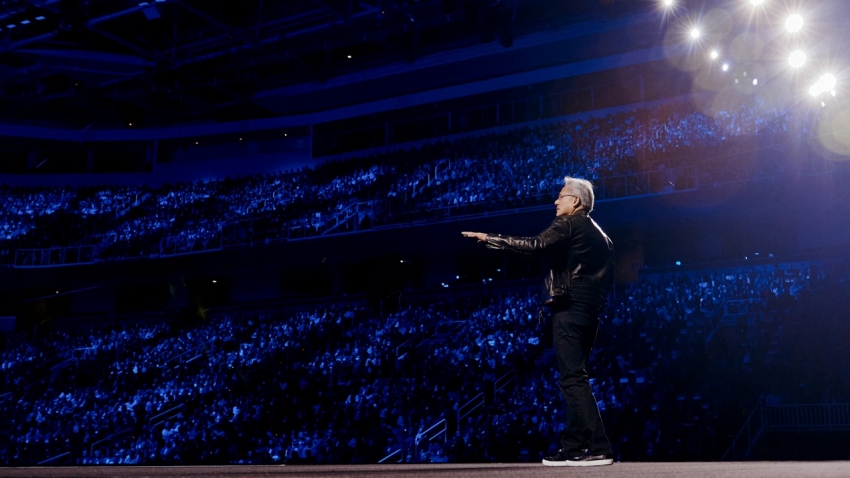
I watched the replay over kopi. Here’s the gist, with my focus up front.
Quick personal note: For my homelab, there wasn’t much I need to act on today. If I pick up a used RTX card later at the right price, I’ll revisit the agent tools. For now, I’m not buying. I’ll wait until prices drop.
1) Cheaper, faster inference for agent‑style work
- Vera Rubin was the big reveal. Early write‑ups call out large efficiency gains for inference, with one citing roughly 10× per‑watt vs. Blackwell. That points straight at lower latency and cost for always‑on agents.
- Groq 3 LPU + LPX rack showed up as complementary inference hardware that pairs with Rubin‑class systems, another path to faster and cheaper agent workloads.
2) Practical orchestration and tooling for multi‑step tasks
- NVIDIA framed OpenClaw as an OS for agents and NemoClaw as the enterprise stack with policy guardrails, so teams can turn “computer use” steps into workflows you can actually deploy and control.
- The broader full‑stack push—including Vera CPU and rack‑scale designs—explains why agent tooling now sits closer to the platform, not just the app layer.
Extra (quick hits you may not care about)
- DLSS 5 got stage time for gaming and real‑time rendering. Useful if you follow GeForce, not core to my agent focus.
- Robotics showpieces: media counted about 110 robots, with a surprise Disney Olaf cameo to close the keynote. Fun moment, not essential for my lens.
- Big‑picture signals: NVIDIA’s press materials amplified the “AI factory” story and even teased space computing. Interesting direction, I’m not chasing it today.
Watch and grab
- Replay and highlights: NVIDIA’s keynote page.
- Press kit: one‑pagers and images for Rubin, Vera CPU, NemoClaw, and more.

Leave a Reply